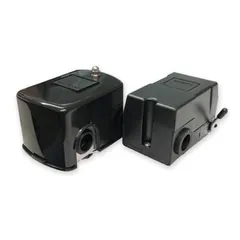
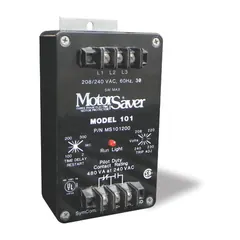
Which type of pump control does your system need?
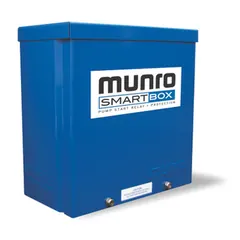
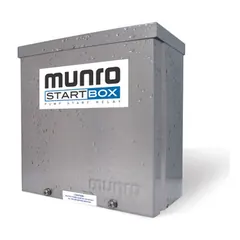
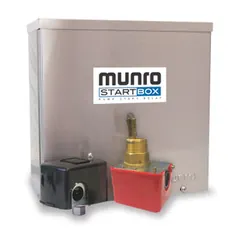
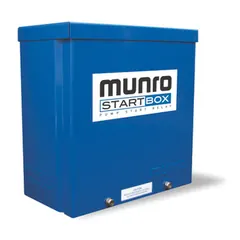
Start with how the pump gets its signal. If an AC irrigation controller calls for water, you need a pump start relay wired to its master valve and common terminals. The Munro StartBox is that relay with no sensing. The SmartBox is the same 40 A relay with a pressure sensor watching for run-dry and loss of prime, and a temperature sensor watching for a dead-head. For a nursery pump drawing off a pond, a stream or a shallow well, the SmartBox is the one we would put on the quote first.
If there is no controller, the On Demand Start Control starts the pump when line pressure drops and holds it on a flow switch while water is moving. That suits hand watering, hose bibs and propagation houses where valves open at random through the day.
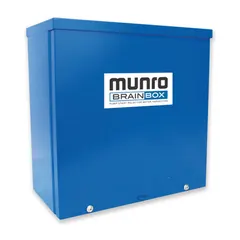
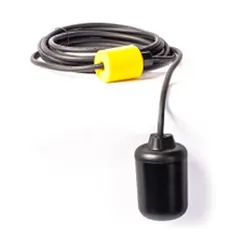
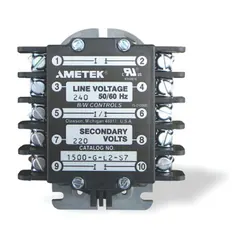
If the pump fills or draws from a tank, you are choosing level control. The FloatControl runs a half-horsepower or smaller pump directly, or a larger one through a pump start relay. The Liquid Level Control relays use electrodes where a float will not do, such as an elevated tank or a sump. The BrainBox runs a rainwater tank with a secondary source behind it.
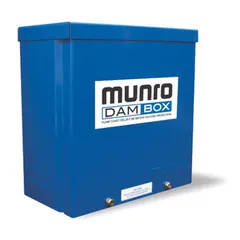
For three-phase motors or anything past the standard relay range, look at the Pump Control Panels and the Pump Savers. The DamBox, the TimeBox (Coaches Box) and the Multi-Signal / Multi-Pump Control Box each solve one specific layout, described in the listings below.
What do the wiring, pressure and site need to be?
Check three numbers before ordering a relay: motor horsepower, line voltage and the controller's pump-start output. The standard 40 A relay starts a single-phase pump to 5 HP, the thermal-protection models carry the family to 10 HP, and three-phase or larger means a custom build or a panel. On the BrainBox and DamBox the ceiling is 2 HP at 110 V and 5 HP at 220 V. Some controllers put out under 0.35 A on the pump-start circuit, and Munro builds reduced-incoming-amperage versions for those, so tell us the controller model.
The SmartBox pressure sensor is preset to 20 psi and threads into a ¼" NPT port in the pump case or the mainline just downstream of the pump. The optional temperature sensor shuts the pump down above 105 degrees at the housing, and Munro's LP series pumps carry ports for both. The start delay is factory set at 30 seconds and field adjustable; a large zone or a first fill often needs more.
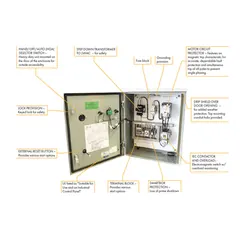
The relay boxes and control panels are NEMA 3R or Type 3R enclosures, so they can live outdoors, and on the SmartBox, BrainBox and On Demand control the external switches and sensors run at 24 V rather than line voltage. Note that the StartBox and SmartBox troubleshooting guides do not apply to 2-wire decoder systems; the BrainBox does work with 2-wire. If you are pulling control wire to a distant pump house, size it for the run and see Wire & Cable.
What goes wrong, and how the Munro lines differ
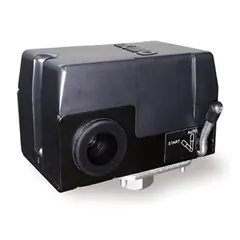
The most expensive mistake is running a pump with no protection. A pond pump that loses prime runs dry and takes the seals with it; a pump running against a closed discharge dead-heads and cooks the pipework and PVC. The Munro Guard Low Pressure Cut-Off Switch, preset to cut off at 12 psi and cut in at 32 psi, is the most basic form of run-dry protection. The SmartBox adds the temperature sensor for the dead-head that a pressure switch alone is not watching for.
Second is a float switch wired at line voltage. A 110 or 220 V float that fails in water is an immediate hazard, and the Liquid Level Control Box exists to move that circuit to 24 V. Third is short-cycling: a demand-start scheme with no flow switch, or a water-feature pump restarting every time a clogged filter lets the skimmer drop. The On Demand control's stop delay and the DamBox lockout are both answers to that. On three-phase, reversed rotation destroys a Munro pump, which is why the Pump Savers watch for reverse phasing.
The lines differ in how much they sense. StartBox switches and nothing more. SmartBox adds run-dry, loss-of-prime and dead-head sensing. On Demand replaces the controller with pressure and flow. BrainBox adds tank level and a second source. The Pump Control Panels put breaker, contactor and overload into one factory-wired enclosure for the larger motor. Tell us the pump, the source and the controller; request a quote to start.